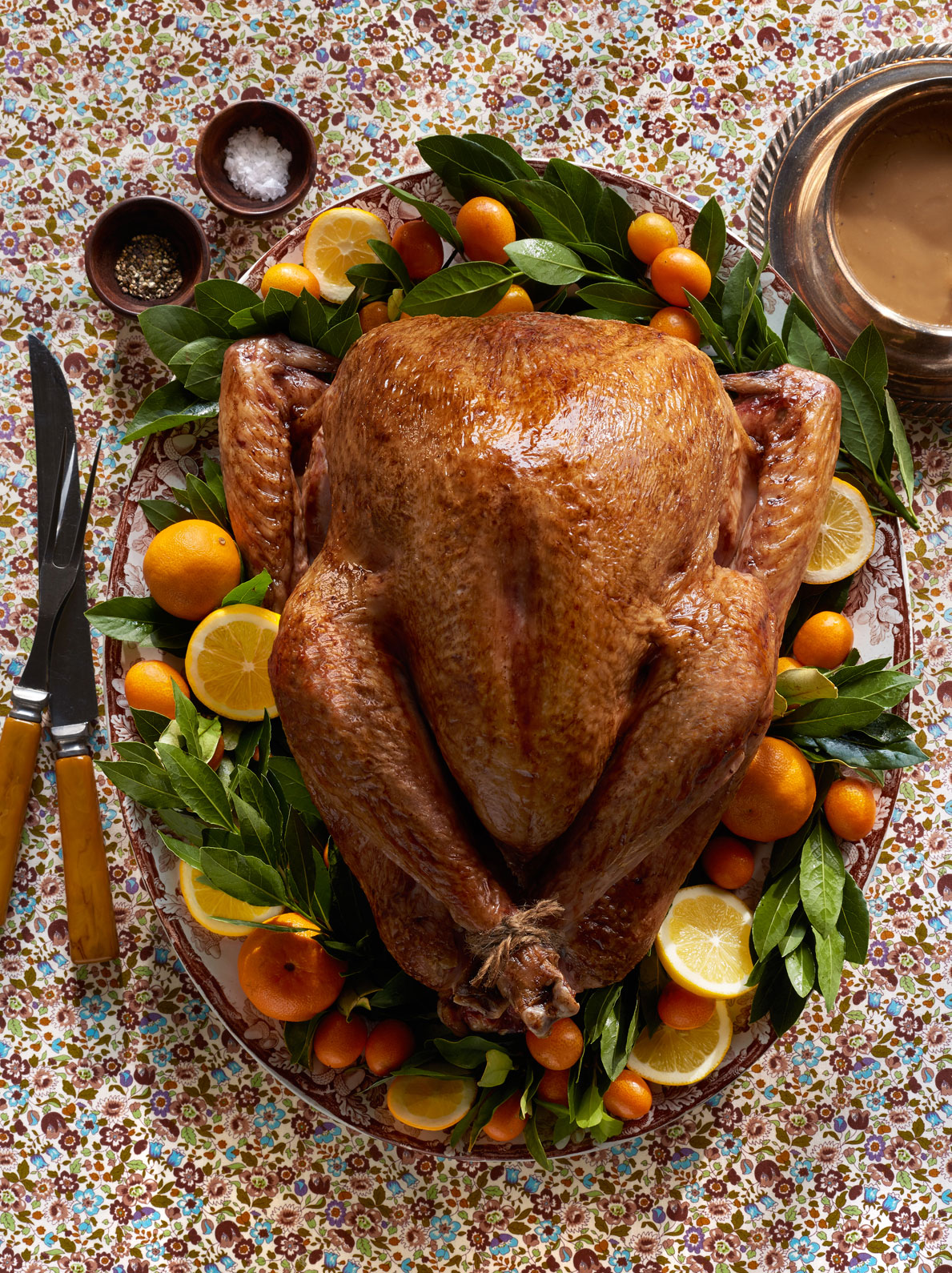
 Thanksgiving, a beloved American holiday, is traditionally synonymous with a quintessential feast: roasted turkey, cranberry sauce, mashed potatoes, and pumpkin pie. However, the evolving cultural landscape of the United States has sparked a conversation around whether to adhere strictly to these traditional dishes or embrace one's authentic cultural heritage during this festive occasion.
For many, the traditional Thanksgiving meal holds immense sentimental value. It represents a shared cultural experience, a connection to history, and a sense of continuity. The aromas of roasted turkey wafting through the house, the laughter echoing around the dinner table, and the cherished recipes passed down through generations evoke a sense of nostalgia that is hard to replicate.
Yet, in a nation as diverse as the United States, the concept of a one-size-fits-all Thanksgiving meal doesn't capture the myriad of cultural backgrounds and traditions that people bring to the table. For some, celebrating Thanksgiving by incorporating their own authentic cultural heritage is a way of honoring their roots and sharing their unique traditions with friends and family.
The choice between a traditional Thanksgiving meal and an authentic cultural heritage celebration often boils down to personal experiences, beliefs, and the desire to preserve or explore one's cultural identity.
Those who prefer the traditional Thanksgiving meal often cite the comfort and familiarity it brings. The classic roast turkey symbolizes abundance and unity, while dishes like stuffing, sweet potatoes, and cranberry sauce serve as staples that bind families together. For many, deviating from this well-established menu might feel like tampering with a cherished tradition that holds significant emotional value.
On the other hand, opting for an authentic cultural heritage Thanksgiving meal allows individuals to celebrate diversity and pay homage to their ancestral roots. Families may incorporate dishes from their native countries, such as tamales for Mexican-Americans, kimchi for Korean-Americans, or curry for Indian-Americans, creating a fusion of flavors that represents their unique cultural tapestry. These meals become a way of passing down traditions, preserving cultural heritage, and educating younger generations about their roots.
Furthermore, preparing an authentic cultural heritage Thanksgiving meal is often an immersive experience. It involves learning traditional cooking techniques, sourcing specific ingredients, and understanding the significance behind each dish. For many, this process is a form of connection to their ancestors, allowing them to feel closer to their cultural heritage.
However, the choice between a traditional Thanksgiving meal and an authentic cultural heritage celebration is not always mutually exclusive. Families often find a balance, incorporating elements of both traditions into their festivities. They may start with the familiar roast turkey but complement it with dishes that represent their cultural background, creating a harmonious blend of old and new traditions on the dining table.
Ultimately, the beauty of Thanksgiving lies in its ability to bring people together, regardless of the menu. Whether one chooses to stick to the traditional spread or infuse the celebration with their cultural heritage, the essence of the holiday remains rooted in gratitude, family, and togetherness.
In a world that celebrates diversity and inclusivity, the evolution of Thanksgiving meals reflects the melting pot that is America. It showcases the richness of different cultures coexisting and intertwining, allowing individuals to express their unique identities while embracing the shared spirit of gratitude.
As we navigate the complexities of modern-day living, the choice between a traditional Thanksgiving meal and an authentic cultural heritage celebration becomes a deeply personal decision. It is an opportunity to reflect on one's heritage, values, and the significance of preserving traditions while embracing change.
Ultimately, there is no right or wrong way to celebrate Thanksgiving. Whether it's a classic roast turkey or a table adorned with an array of culturally diverse dishes, the heart of the holiday lies in the joy of coming together, expressing gratitude, and creating lasting memories with loved ones, celebrating the tapestry of cultures that make America truly unique.
Thanksgiving, a beloved American holiday, is traditionally synonymous with a quintessential feast: roasted turkey, cranberry sauce, mashed potatoes, and pumpkin pie. However, the evolving cultural landscape of the United States has sparked a conversation around whether to adhere strictly to these traditional dishes or embrace one's authentic cultural heritage during this festive occasion.
For many, the traditional Thanksgiving meal holds immense sentimental value. It represents a shared cultural experience, a connection to history, and a sense of continuity. The aromas of roasted turkey wafting through the house, the laughter echoing around the dinner table, and the cherished recipes passed down through generations evoke a sense of nostalgia that is hard to replicate.
Yet, in a nation as diverse as the United States, the concept of a one-size-fits-all Thanksgiving meal doesn't capture the myriad of cultural backgrounds and traditions that people bring to the table. For some, celebrating Thanksgiving by incorporating their own authentic cultural heritage is a way of honoring their roots and sharing their unique traditions with friends and family.
The choice between a traditional Thanksgiving meal and an authentic cultural heritage celebration often boils down to personal experiences, beliefs, and the desire to preserve or explore one's cultural identity.
Those who prefer the traditional Thanksgiving meal often cite the comfort and familiarity it brings. The classic roast turkey symbolizes abundance and unity, while dishes like stuffing, sweet potatoes, and cranberry sauce serve as staples that bind families together. For many, deviating from this well-established menu might feel like tampering with a cherished tradition that holds significant emotional value.
On the other hand, opting for an authentic cultural heritage Thanksgiving meal allows individuals to celebrate diversity and pay homage to their ancestral roots. Families may incorporate dishes from their native countries, such as tamales for Mexican-Americans, kimchi for Korean-Americans, or curry for Indian-Americans, creating a fusion of flavors that represents their unique cultural tapestry. These meals become a way of passing down traditions, preserving cultural heritage, and educating younger generations about their roots.
Furthermore, preparing an authentic cultural heritage Thanksgiving meal is often an immersive experience. It involves learning traditional cooking techniques, sourcing specific ingredients, and understanding the significance behind each dish. For many, this process is a form of connection to their ancestors, allowing them to feel closer to their cultural heritage.
However, the choice between a traditional Thanksgiving meal and an authentic cultural heritage celebration is not always mutually exclusive. Families often find a balance, incorporating elements of both traditions into their festivities. They may start with the familiar roast turkey but complement it with dishes that represent their cultural background, creating a harmonious blend of old and new traditions on the dining table.
Ultimately, the beauty of Thanksgiving lies in its ability to bring people together, regardless of the menu. Whether one chooses to stick to the traditional spread or infuse the celebration with their cultural heritage, the essence of the holiday remains rooted in gratitude, family, and togetherness.
In a world that celebrates diversity and inclusivity, the evolution of Thanksgiving meals reflects the melting pot that is America. It showcases the richness of different cultures coexisting and intertwining, allowing individuals to express their unique identities while embracing the shared spirit of gratitude.
As we navigate the complexities of modern-day living, the choice between a traditional Thanksgiving meal and an authentic cultural heritage celebration becomes a deeply personal decision. It is an opportunity to reflect on one's heritage, values, and the significance of preserving traditions while embracing change.
Ultimately, there is no right or wrong way to celebrate Thanksgiving. Whether it's a classic roast turkey or a table adorned with an array of culturally diverse dishes, the heart of the holiday lies in the joy of coming together, expressing gratitude, and creating lasting memories with loved ones, celebrating the tapestry of cultures that make America truly unique.



 The data relating to real estate for sale on this Web Site comes from the IDX Program of the East Tennessee Realtors® Multiple Listing Service. © Copyright 2026 All rights reserved. This information is being provided for the consumers' personal, non-commercial use and may not be used for any purpose other than to identify prospective properties the consumers may be interested in purchasing. This information was updated September 27, 2026 8:53 PM UTC Some properties may subsequently have sold
 Great Smoky Mountains Association of REALTORS® All information deemed reliable but not guaranteed. All properties are subject to prior sale, change or withdrawal. Neither listing broker(s) or information provider(s) shall be responsible for any typographical errors, misinformation, misprints and shall be held totally harmless. Listing(s) information is provided for consumer's personal, non-commercial use and may not be used for any purpose other than to identify prospective properties consumers
